Writing & Public Speaking
Stories showcase my ability to research, discuss and write about a diverse range of topics (which I love doing!)
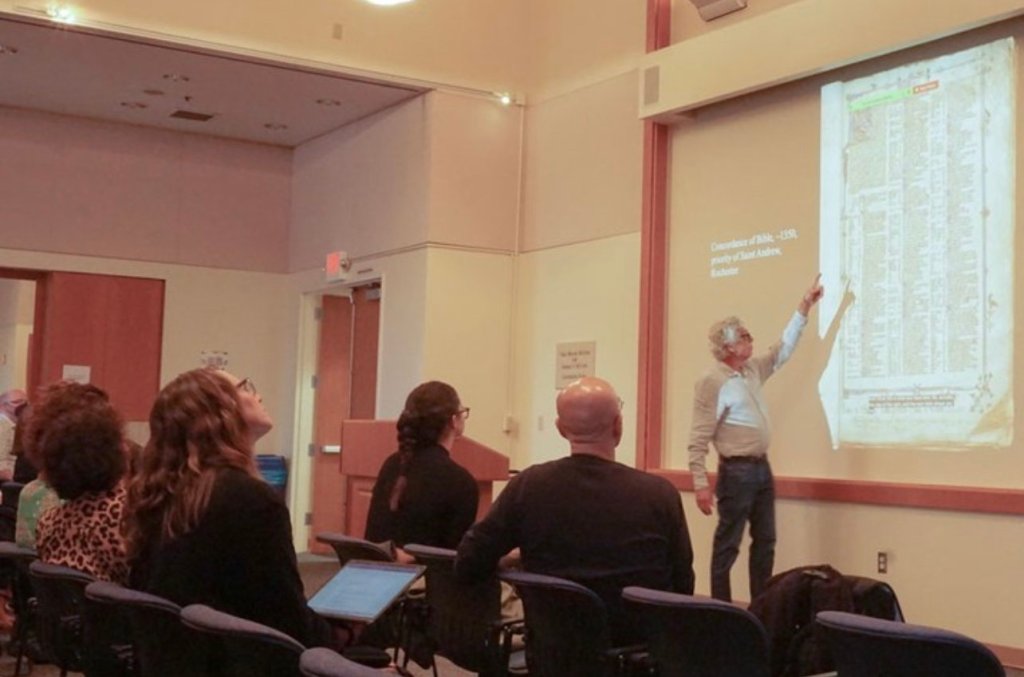
Seeking Knowledge in an Era of Information Overload
With a variety of media available at our fingertips, humankind can today access information crucial to answering many of life’s fundamental questions. But this has led to “information overload,” often making it harder rather than easier to cope, says UC Santa Barbara scholar Wolf. D. Kittler.
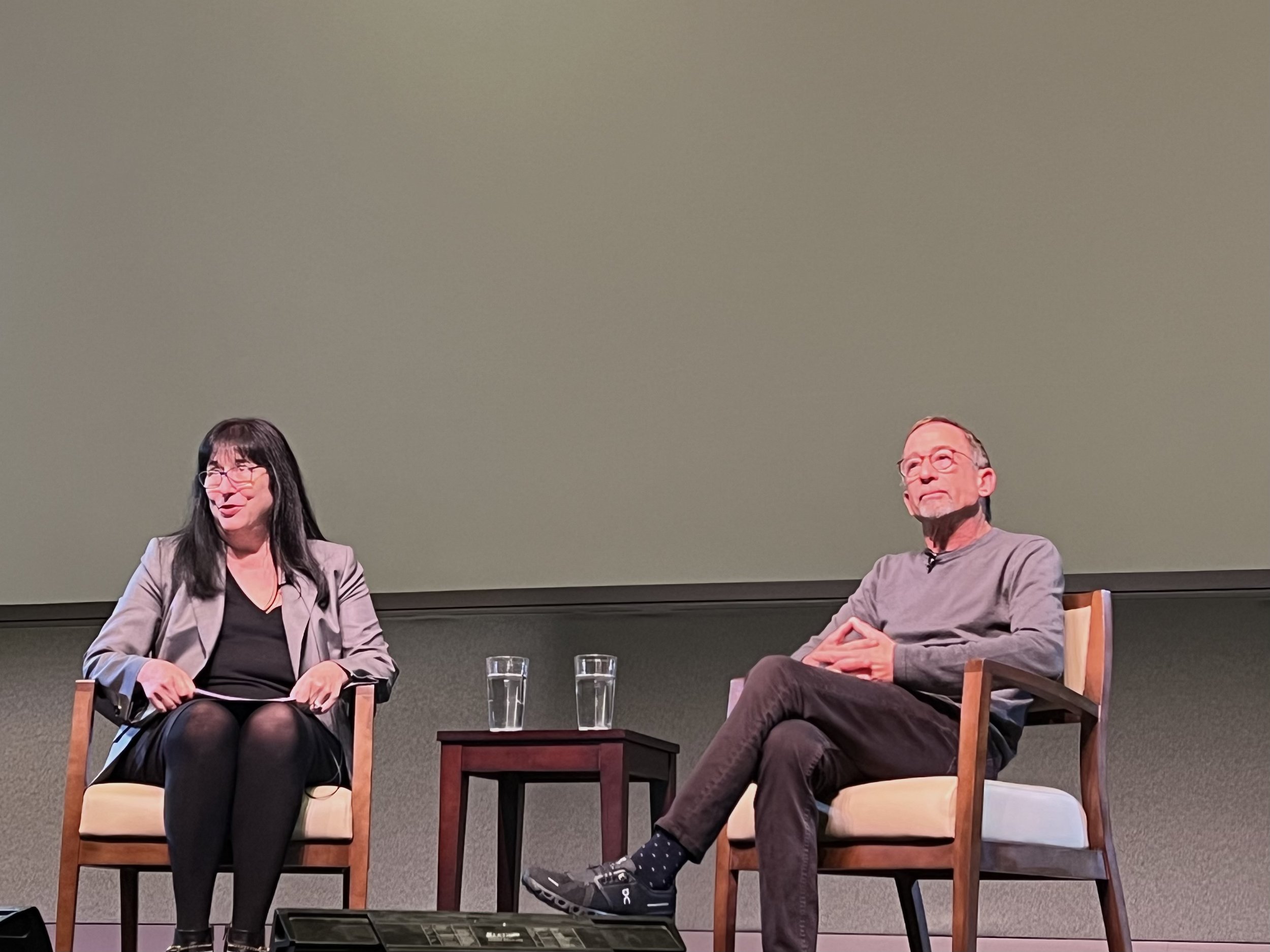
Alumni All-Stars: James Hayman on directing HBO’s “The Sopranos”
The Sopranos, an HBO Original television series from the 2000s, was named best show of all times by Rolling Stone magazine, and is HBO’s third most-watched show. UC Santa Barbara film alumnus James Hayman contributed to this groundbreaking show by directing an episode and offering the series a new style.
Hayman, a director and cinematographer, spoke at the Pollock Theatre last month after a screening of his Sopranos episode, hosted by the Film and Media Studies department.

Public Speaking: An “HFA Speaks” Panel: Mental Health and the Arts
Ellen O’Connell Whittet was one of two UCSB faculty members who spoke at the Division of Humanities and Fine Arts spring quarter “HFA Speaks” panel, moderated by HFA web and social media intern Faith Harvey. The other panelist, an oboist and Department of Music lecturer Breana Gilcher, spoke about her experiences as a board-certified music therapist and music instructor at UCSB.
Harvey and her co-interns organized the event, which addressed mental health in order to mark Mental Health Awareness Month.

Public Speaking and Video Direction: Expanding the Meaning of Valentine’s Day
In a series of impromptu on-campus interviews, several students said they believe Valentine’s Day should apply to friendships, parents and siblings, and LGBTQ+ relationships — not merely the traditional male-female couplings that have tended to typify the mid-winter celebration.
And in the latest installment of the “HFA Speaks” podcast, Humanities and Fine Arts intern Faith Harvey interviewed Yuri Fraccaroli, a graduate student in Feminist Studies from Brazil on the topic “An LGBTQ+ View of Valentine’s Day.”
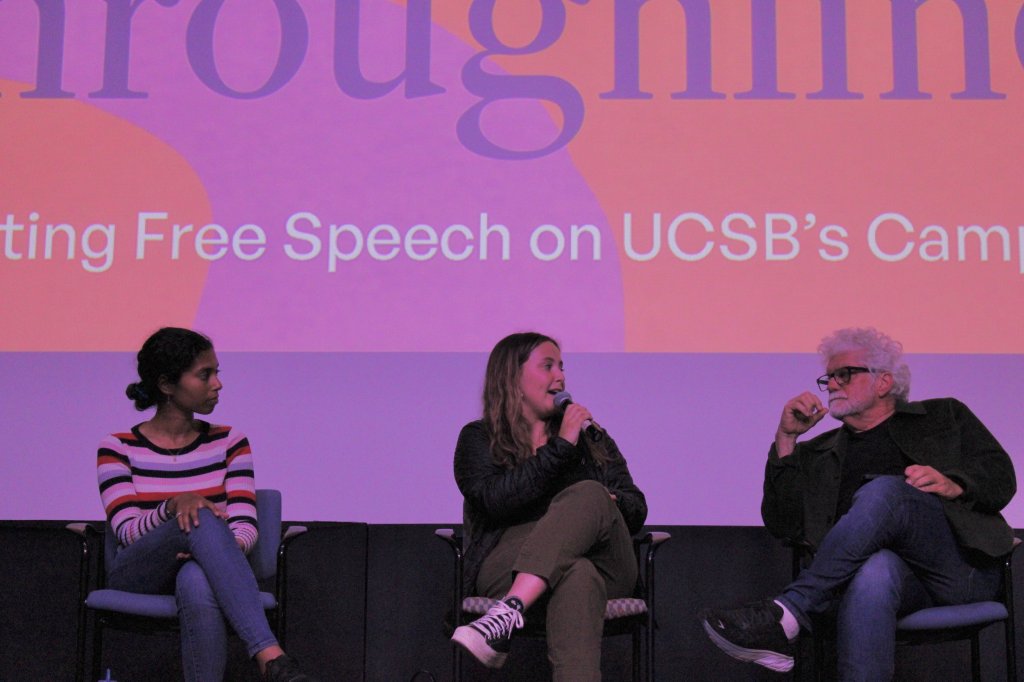
Identifying Parameters for Free Speech
Controversy over how to interpret the First Amendment is alive and well, even at UC Santa Barbara, where the KCSB radio station recently hosted a panel titled “Walking the Throughline,” to explore the way free speech is handled on campus.
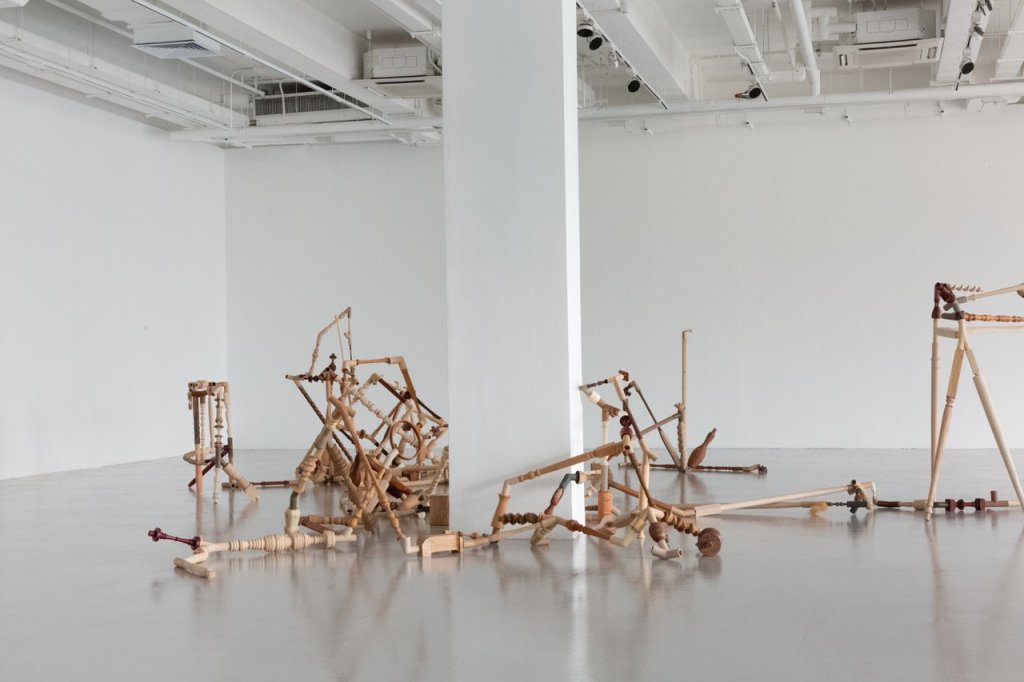
Artist Shirley Tse’s Past and Present
Shirley Tse, a Hong Kong-born California-based artist, says she is still learning new things in her craft after decades of creating multimedia sculpture installations.
Tse closed out the UCSB Art Department’s Visiting Artist Colloquium which featured 10 different artists throughout the fall.
Documenting Africa on Film
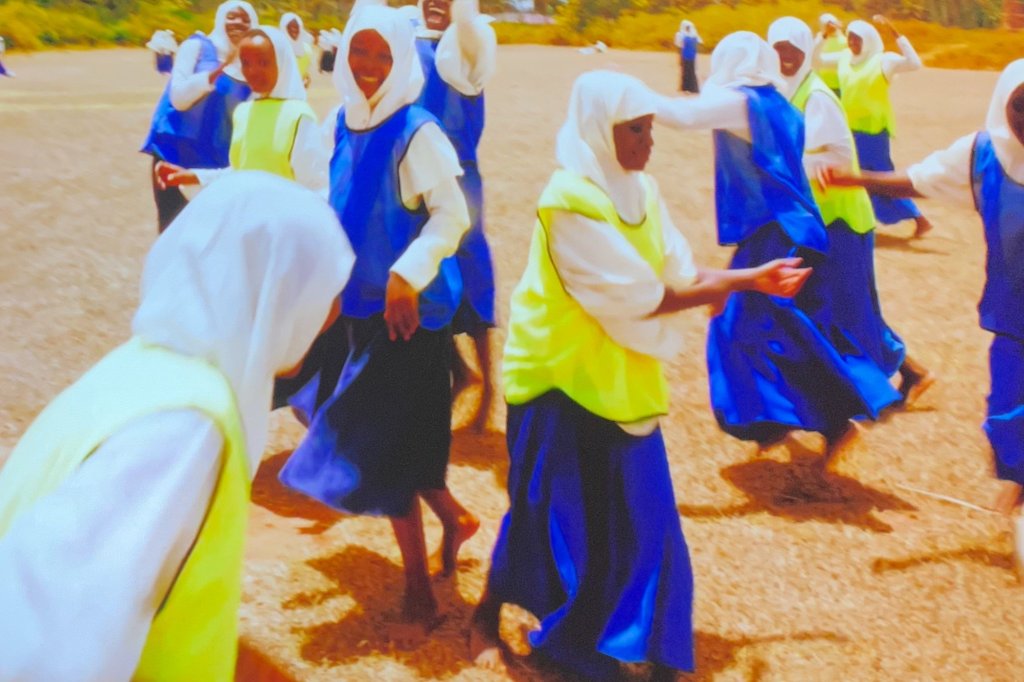
Ayisi showcases African women, calling them the “unsung who sing the songs” such as in her film Zanzibar Soccer Queens, which shows the journey of Muslim women in Africa who break tradition by pursuing soccer, and Women Artists in Cameroon, an insight into the lives of creative female artists in Cameroon.
Ayisi said one of her main cinematic inspirations is Sembène Ousmane, considered the father of African cinema. Sembene began as a writer and director, but when he realized the people he was writing about could not enjoy his work, he switched to film.
The Rise and Fall of Intermarriage as Policy in the Soviet Union
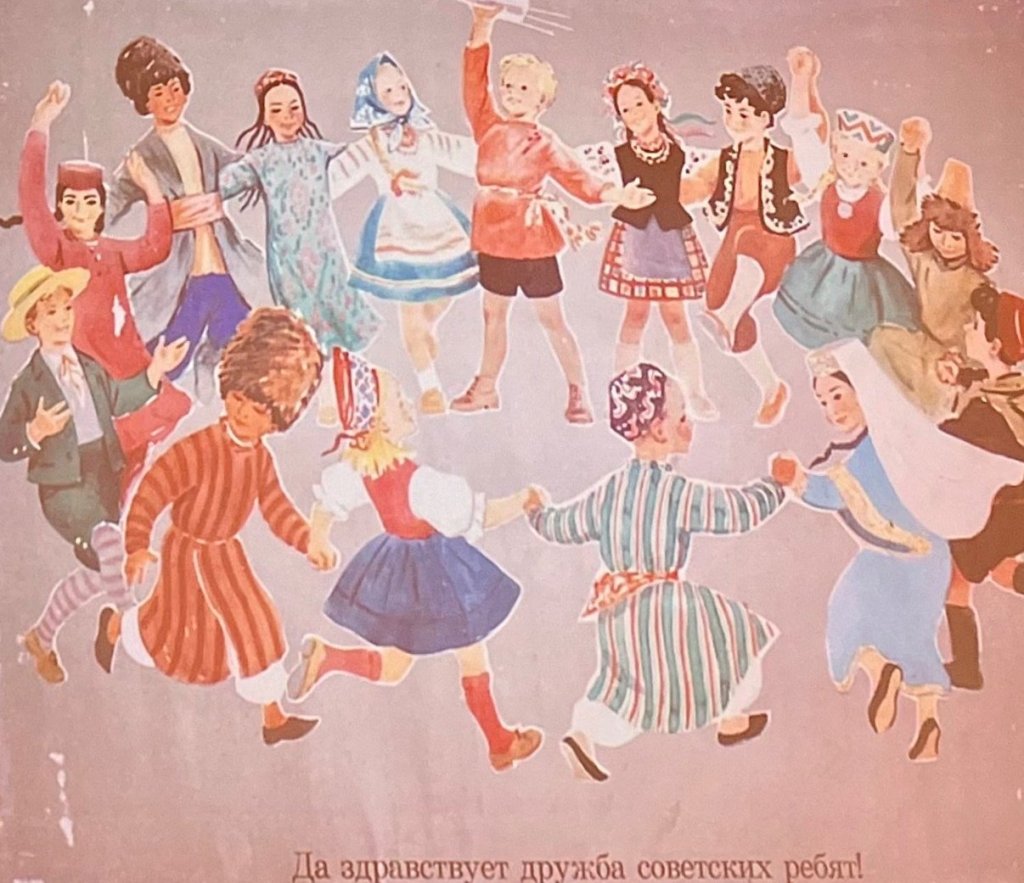
At the dawn of the Cold War era, segregation, discrimination, and banning interracial marriages were all still legal in the United States. At the same time, the rival Soviet Union was encouraging blended families in books, movies, and politics, projecting itself as a “paradise of ethnic and racial harmony,” according to Adrienne Edgar, UC Santa Barbara history professor.
The Enduring Legacy of a Medieval Egyptian Historian
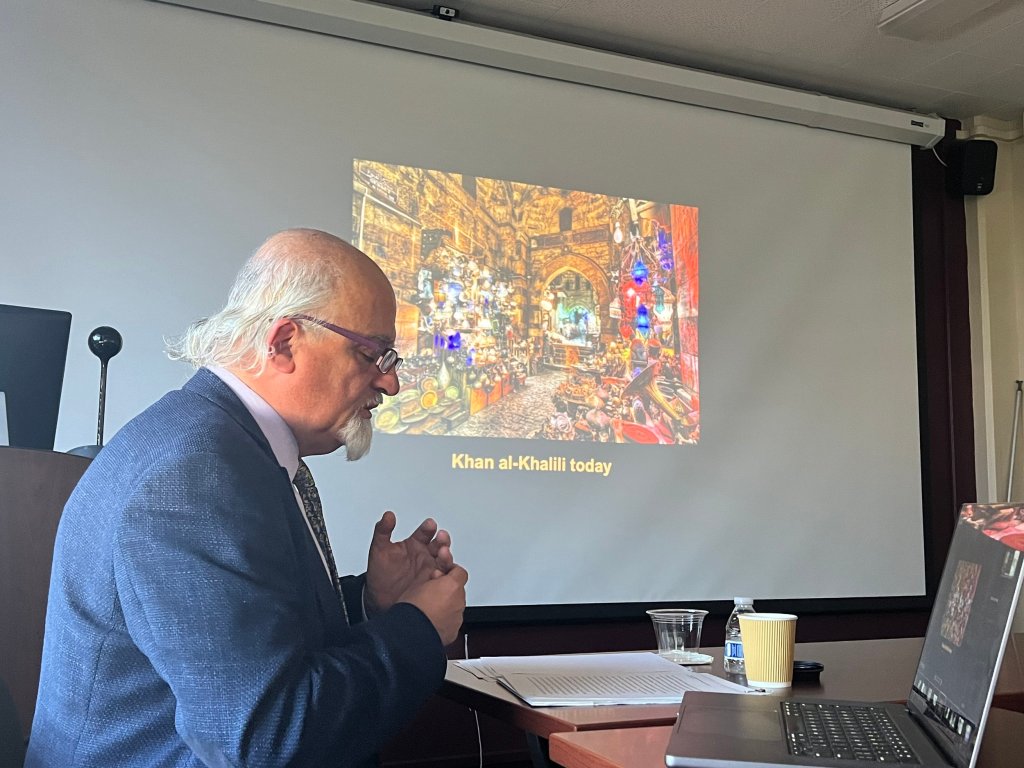
Historical documents on Egypt’s past tend to compare and contrast with other communities, people, and cultural ideas, but Al-Maqrizi’s Khitat looks directly at Egypt in an objective and honest way, says Nasser Rabbat, director of the Aga Khan Program for Islamic Architecture at the Massachusetts Institute of Technology (MIT).
How American Cinema Went Worldwide
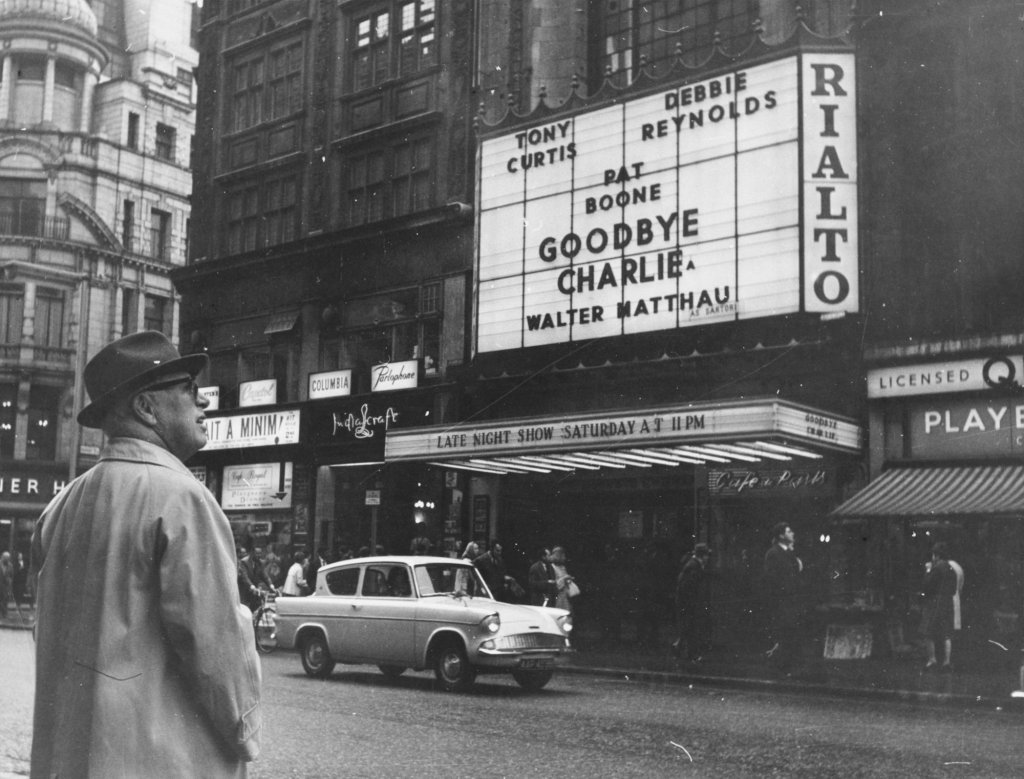
In the early 20th century, American cinema power-houses like Metro-Goldwyn-Mayer and Fox placed movie theaters in various countries worldwide, from Paris to Brazil. These American cinemas were a window into America, where consumers abroad watched American films, and even ate American snacks such as Nabisco cookies. Films and cinemas became ambassadors for the United States, and increased the country’s global profile.
In an attempt to understand these Hollywood global operations and the political ramifications of these American cinemas, Ross Melnick, a UCSB Film and Media Studies professor and author, did nearly two decades of research which culminated in his new book Hollywood’s Embassies: How Movie Theaters Projected American Power Around the World. Melnick spoke about cinema history and his book at the Interdisciplinary Humanities Center’s second installment of its Humanities Decanted series.
During my time in the HFA, I started as a Student Journalist, where I wrote these stories and directed videos. The following year, I was promoted to Web Master, which included maintaining a year-round calendar populated with six humanities focused campus events at all times, leading a team of six writers on website usage and social media style, collaborating with my boss daily and planning our quarterly HFA Speaks event and creativity contest alongside my team.
 Faith Harvey